
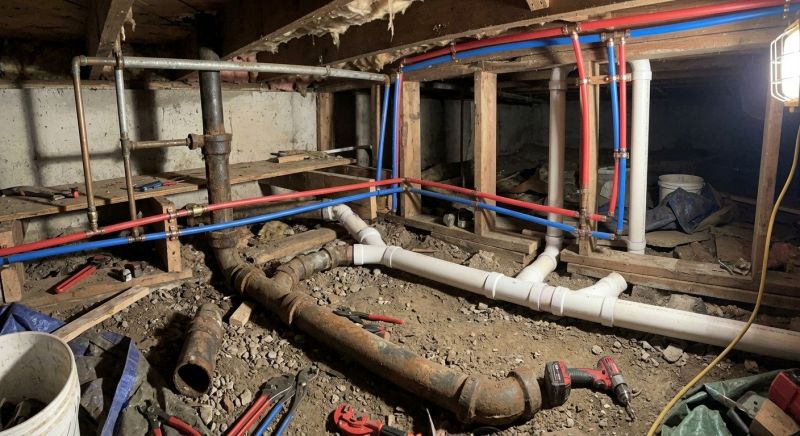
Piping Replacement in Denver, CO
Piping replacement services involve removing and installing new pipes to ensure the proper flow of water, gas, or other utilities within a property. This service covers a variety of projects, including replacing aging or damaged pipes, upgrading to newer materials, or rerouting plumbing systems during renovations or repairs. Homeowners typically seek piping replacement to address leaks, improve water pressure, prevent future pipe failures, or comply with building codes. Understanding the scope of the project, the materials used, and the potential impact on daily routines can help property owners make informed decisions before requesting service.
Before requesting piping replacement, property owners should consider the condition of their current plumbing system, the reasons for replacement, and any specific needs related to their property. It’s helpful to know the types of pipes involved, such as copper, PEX, or PVC, and whether the work will require access to walls, floors, or ceilings. Clarifying the extent of the replacement and understanding the expected outcomes can facilitate a smoother process and ensure the new piping system meets the property's requirements for safety and efficiency.
Many property owners in Denver, CO look into Piping Replacement for repairs, replacements, upgrades, and appearance-related improvements.
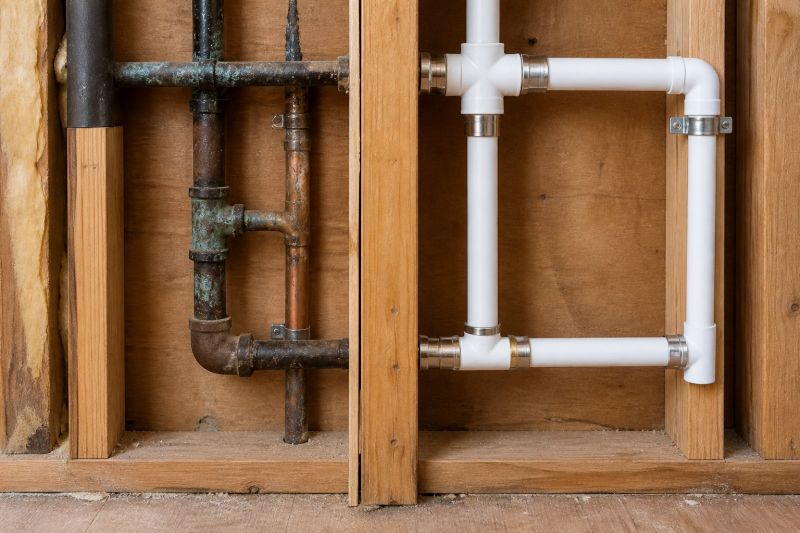
Signs You Need Piping Replacement
Corrosion, leaks, or reduced water pressure may indicate the need for pipe replacement.
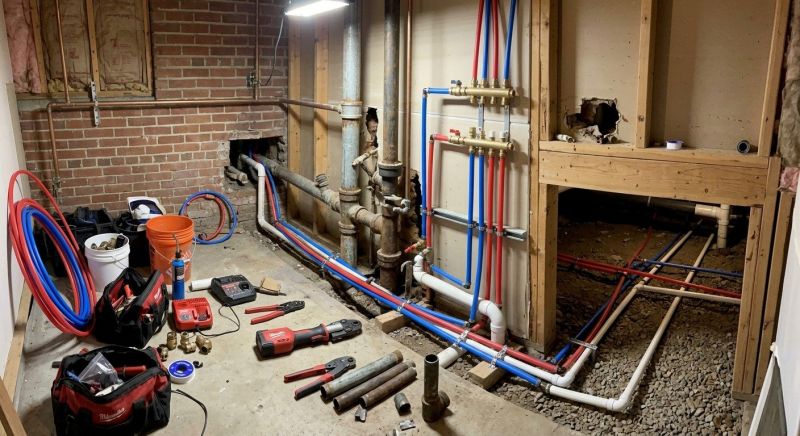
Types Of Piping Materials
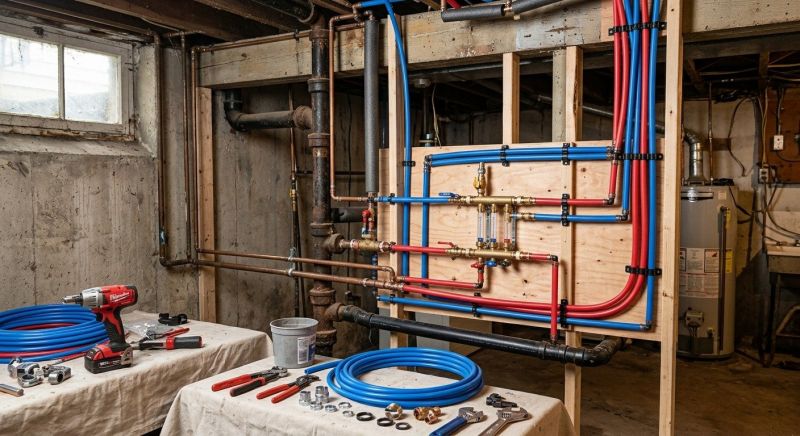
Common options include copper, pex, and galvanized pipes, each suited for different plumbing needs.
Benefits Of Replacing Old Pipes
Upgrading piping can improve water quality, increase system reliability, and prevent future water damage in denver homes.
Piping Replacement in Denver, CO

Piping replacement services involve removing and installing new pipes to ensure the proper flow of water, gas, or other utilities within a property. This service covers a variety of projects, including replacing aging or damaged pipes, upgrading to newer materials, or rerouting plumbing systems during renovations or repairs. Homeowners typically seek piping replacement to address leaks, improve water pressure, prevent future pipe failures, or comply with building codes. Understanding the scope of the project, the materials used, and the potential impact on daily routines can help property owners make informed decisions before requesting service.
Before requesting piping replacement, property owners should consider the condition of their current plumbing system, the reasons for replacement, and any specific needs related to their property. It’s helpful to know the types of pipes involved, such as copper, PEX, or PVC, and whether the work will require access to walls, floors, or ceilings. Clarifying the extent of the replacement and understanding the expected outcomes can facilitate a smoother process and ensure the new piping system meets the property's requirements for safety and efficiency.
Many property owners in Denver, CO look into Piping Replacement for repairs, replacements, upgrades, and appearance-related improvements.
Common Piping Replacement Jobs
Pipe Replacement - Upgrading old or damaged pipes to prevent leaks and improve flow.
Whole-House Piping - Replacing all plumbing lines to enhance reliability and reduce future repairs.
Fixture and Appliance Connections - Installing new piping for sinks, toilets, water heaters, and appliances.
Leak Repair and Pipe Restoration - Fixing leaks and restoring pipe integrity to avoid water damage.
Emergency Piping Services - Addressing urgent pipe failures that require immediate attention.
Corrosion and Material Upgrades - Replacing outdated pipes with modern, durable materials for longevity.
Piping Replacement Questions
What are signs that piping needs replacement? Signs include frequent leaks, corrosion, low water pressure, or discolored water indicating pipe deterioration.
Why should pipes be replaced instead of repaired? Replacement is often necessary when pipes are extensively damaged or outdated, preventing ongoing leaks and water issues.
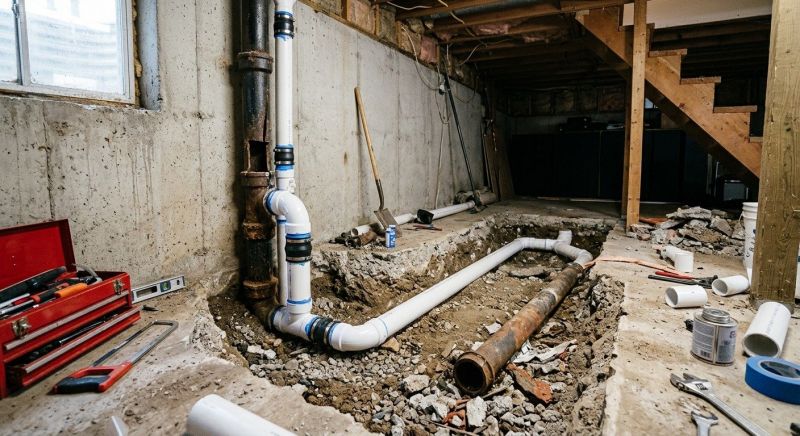
What types of pipes are commonly replaced? Commonly replaced pipes include galvanized steel, cast iron, and aging copper piping that no longer meet current standards.
How can property owners prepare for a piping replacement? Clearing access areas and informing household members can help facilitate a smoother replacement process.
Request Piping Replacement in Denver, CO
Use the quote form on this page to share the basics of your project and request more information for the type of work you need.


